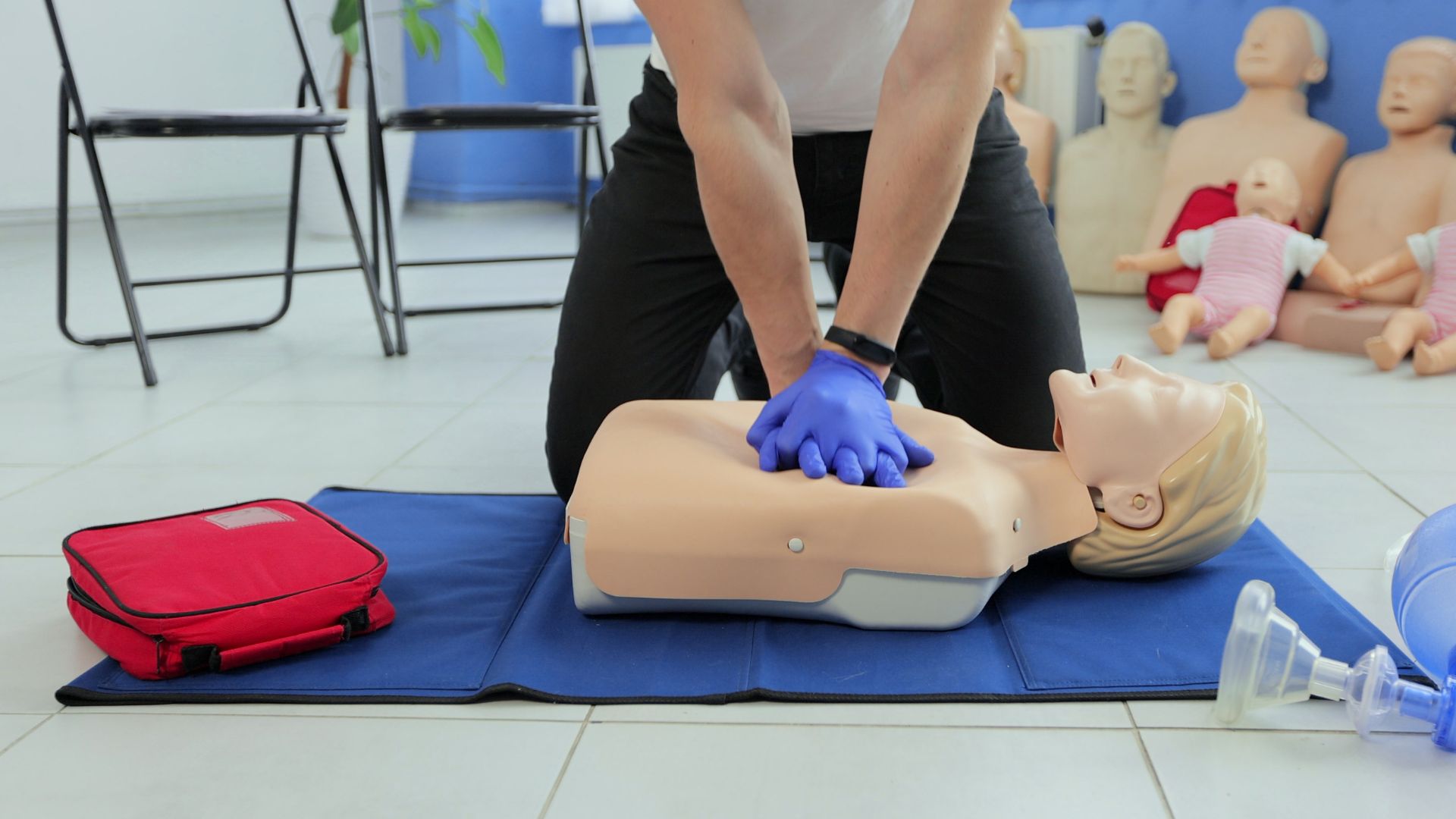
In the realm of emergency response, the acronym CPR often stands out as a crucial life-saving technique. Yet, beneath the surface of this familiar term lies a trio of essential components encapsulated in the concept of the 3 R’s. Understanding these elements not only enhances the effectiveness of CPR but also empowers individuals to respond confidently in critical situations. In the sections that follow, we will explore each of these vital components in detail, shedding light on their significance and application. Whether you’re a healthcare professional or a layperson eager to make a difference, this knowledge is indispensable. Ready to delve into the heart of CPR’s foundational principles? Let’s get started.
Understanding the Basics of CPR
As we continue our journey into the world of CPR, it is crucial to understand the foundational principles that make up this life-saving technique. At CPR Pittsburgh, we emphasize the importance of grasping these basics to empower individuals in emergency situations. Let’s break down the key components of CPR into a straightforward listicle, ensuring you’re well-equipped to handle a crisis.
1. Recognize the Emergency: The first step in any CPR procedure is identifying when it is necessary. Look for signs such as unresponsiveness and absence of breathing. Quick recognition can significantly impact the victim’s chances of survival.
2. Call for Help: Once an emergency is identified, call 911 immediately. This step ensures that professional medical assistance is on the way. While help is en route, your actions can sustain life, underscoring the importance of the 3 R’s we discussed earlier.
3. Start Chest Compressions: Place your hands on the center of the victim’s chest and begin compressions at a rate of 100-120 per minute. This action is pivotal in maintaining blood circulation to vital organs. For more detailed guidance, consider enrolling in a certified CPR class.
4. Provide Rescue Breaths (if trained): If you are trained and confident in performing rescue breaths, integrate them with chest compressions. This combination can further enhance the effectiveness of CPR, ensuring oxygen reaches the lungs.
5. Use an AED if Available: An Automated External Defibrillator (AED) can be a critical tool in reviving a victim. Follow the device’s instructions to deliver a shock if advised. Many public places are equipped with AEDs, making them accessible in emergencies.
By understanding these basic steps, you align with the core of CPR’s purpose: to preserve life. Whether you’re a healthcare provider or a motivated layperson, these actions form the backbone of effective emergency response. For more insights and hands-on training, consider visiting CPR Pittsburgh to explore our courses and resources.
Why the 3 R’s are Essential in CPR
In the landscape of CPR, the concept of the 3 R’s serves as a cornerstone, enhancing both comprehension and execution of this life-saving skill. These three pivotal components,Recognize, Respond, and Revive,are essential in ensuring that CPR is administered effectively when it matters most.
Recognize: As highlighted in our previous section, the ability to quickly identify an emergency is crucial. Recognizing signs such as unresponsiveness and lack of breathing promptly initiates the CPR process. This early recognition significantly increases the chances of a successful outcome, emphasizing the importance of staying vigilant and prepared.
Respond: Once an emergency is identified, the next step is to act decisively. This involves calling for help and beginning chest compressions, as discussed earlier. Responding swiftly bridges the gap between recognition and professional medical assistance, providing critical support to the victim. Resources such as CPR classes at CPR Pittsburgh can further empower individuals to respond effectively.
Revive: The ultimate goal of CPR is to revive the victim, restoring essential life functions until emergency services arrive. This component underscores the use of techniques like rescue breaths and AEDs, which play a vital role in the revival process. Mastery of these techniques is vital, ensuring that every action taken is purposeful and informed.
By integrating the 3 R’s into your understanding of CPR, you not only enhance your proficiency but also embody the essence of effective emergency response. These principles are not merely theoretical; they are actionable steps that can transform a bystander’s role into that of a lifesaver. For those eager to deepen their skills, we encourage exploring further training opportunities with certified CPR classes.
How to Master the 3 R’s in CPR
Mastering the 3 R’s in CPR is essential for those who wish to respond effectively in life-threatening situations. By understanding and implementing these critical components,Recognize, Respond, and Revive,you can ensure that your interventions are both timely and effective. Let’s explore these steps further to enhance your proficiency in CPR.
1. Sharpen Your Recognition Skills: Early detection of an emergency is key. Regularly update yourself on the signs of distress, such as lack of breathing or responsiveness. Attending refresher courses can keep your knowledge sharp and prepare you to act swiftly.
2. Cultivate a Responsive Mindset: Being prepared to act is as important as knowing how to act. Practice scenarios with peers to build confidence and decisiveness. Familiarize yourself with the latest CPR guidelines by exploring resources available at CPR Pittsburgh.
3. Enhance Your Revival Techniques: Proficiency in techniques like chest compressions, rescue breaths, and AED use is vital. Consider enrolling in advanced CPR training to hone these skills. The American Red Cross offers comprehensive classes to deepen your understanding.
4. Stay Informed on CPR Developments: The field of emergency response evolves continually. Keep up with the latest research and updates in CPR practices to ensure that you’re using the most effective methods available. Subscribing to newsletters from reputable health organizations can be beneficial.
5. Commit to Continuous Practice: Regular practice is crucial to maintaining your ability to perform CPR effectively. Joining a community group or volunteering for practice sessions can provide the experience needed to maintain your skills at a high level.
By incorporating these strategies into your training regimen, you not only master the 3 R’s but also position yourself as a reliable responder in emergencies. Remember, effective CPR is not just about knowledge; it’s about confident and timely action. For more detailed guidance, consider exploring the training opportunities at CPR Pittsburgh.
Common Mistakes with the 3 R’s in CPR
As we delve into the intricacies of CPR, it is essential to address common pitfalls associated with the 3 R’s,Recognize, Respond, and Revive. Acknowledging these mistakes not only enhances the quality of emergency response but also ensures that interventions are executed with precision.
1. Failing to Recognize Quickly: One of the most frequent errors is the delay in identifying an emergency. Hesitation can cost precious seconds. Consistently update your recognition skills to swiftly discern signs of distress, a practice emphasized in earlier sections.
2. Delayed Response: After recognizing an emergency, immediate action is crucial. A common mistake is not calling 911 promptly or hesitating to start chest compressions. Remember, initiating these steps bridges the critical gap until professional help arrives.
3. Inconsistent Chest Compressions: Effective chest compressions are vital in maintaining blood circulation. Mistakes often occur in the form of incorrect depth or rate. Regular practice and training, such as those offered at CPR Pittsburgh, can mitigate this issue.
4. Neglecting Rescue Breaths: If trained, integrating rescue breaths with chest compressions enhances oxygen delivery. However, in high-stress situations, this step might be overlooked. Ensure you’re comfortable with this technique through hands-on practice.
5. Misusing the AED: The Automated External Defibrillator is a powerful tool but can be underutilized or improperly used. Familiarity with AED operation, reinforced by comprehensive training, is essential for effective revival efforts.
Addressing these common mistakes reinforces your capability to administer CPR effectively. Mastery of the 3 R’s involves not just understanding but also avoiding pitfalls that could hinder life-saving interventions. For those committed to excellence in emergency response, consider further training opportunities at certified CPR classes to refine your skills.
Final Thoughts On The 3 R’s For CPR
In mastering the art of CPR, the 3 R’s,Recognize, Respond, and Revive,stand as vital pillars, transforming ordinary individuals into empowered first responders. By honing your ability to quickly recognize emergencies, decisively respond with appropriate actions, and efficiently revive through practiced techniques, you significantly enhance the survival chances of those in distress. As explored, common pitfalls often impede effective CPR, but awareness and continuous practice can mitigate these errors, ensuring interventions are both timely and life-saving.
For those ready to elevate their CPR skills, the journey does not stop here. At CPR Pittsburgh, we offer comprehensive courses that delve deeper into the nuances of emergency response. Our training is designed to keep you informed of the latest techniques and equip you with the confidence needed to act swiftly. Whether you’re a healthcare professional or a concerned citizen, embracing this learning opportunity is your next step. Visit CPR Pittsburgh to explore our courses or contact us directly for more information. Remember, effective CPR is not just about knowledge,it’s about readiness and the commitment to save lives.
Frequently Asked Questions
What are the 3 R’s in CPR?
The 3 R’s in CPR are essential components that enhance the effectiveness of this life-saving technique: Recognize, Respond, and Revive. Recognize involves identifying an emergency, such as unresponsiveness or lack of breathing. Respond means taking immediate action by calling for help and starting chest compressions. Revive focuses on restoring vital functions through methods like rescue breaths and the use of an Automated External Defibrillator (AED). Mastering these components can significantly impact the outcome of a CPR situation.
How do the 3 R’s improve CPR effectiveness?
The 3 R’s enhance CPR effectiveness by ensuring a structured and timely response to emergencies. Recognize allows for the quick identification of critical situations, initiating the CPR process without delay. Respond involves decisive action, bridging the gap between recognition and professional medical help, thus sustaining life. Finally, Revive aims to restore essential life functions using rescue techniques and AEDs. Together, these steps ensure that CPR is performed efficiently and effectively, increasing the chances of survival.
Why is understanding the 3 R’s important for CPR certification?
Understanding the 3 R’s is vital for CPR certification as it forms the foundation of effective emergency response. By mastering Recognize, Respond, and Revive, individuals are prepared to act swiftly and effectively in life-threatening situations. This knowledge ensures that certified individuals can confidently identify emergencies, perform necessary interventions, and utilize life-saving tools like AEDs. Incorporating these principles not only enhances proficiency but also transforms a bystander’s potential role into that of a competent lifesaver.
When should I apply the 3 R’s in a CPR situation?
The 3 R’s should be applied immediately upon encountering a potential CPR situation. Start with Recognize by assessing if the person is unresponsive or not breathing. If these signs are present, Respond by calling 911 and initiating chest compressions. As you continue, aim to Revive by incorporating rescue breaths if trained and using an AED if available. Applying the 3 R’s promptly and accurately is crucial to maintaining the victim’s life until professional medical assistance arrives.