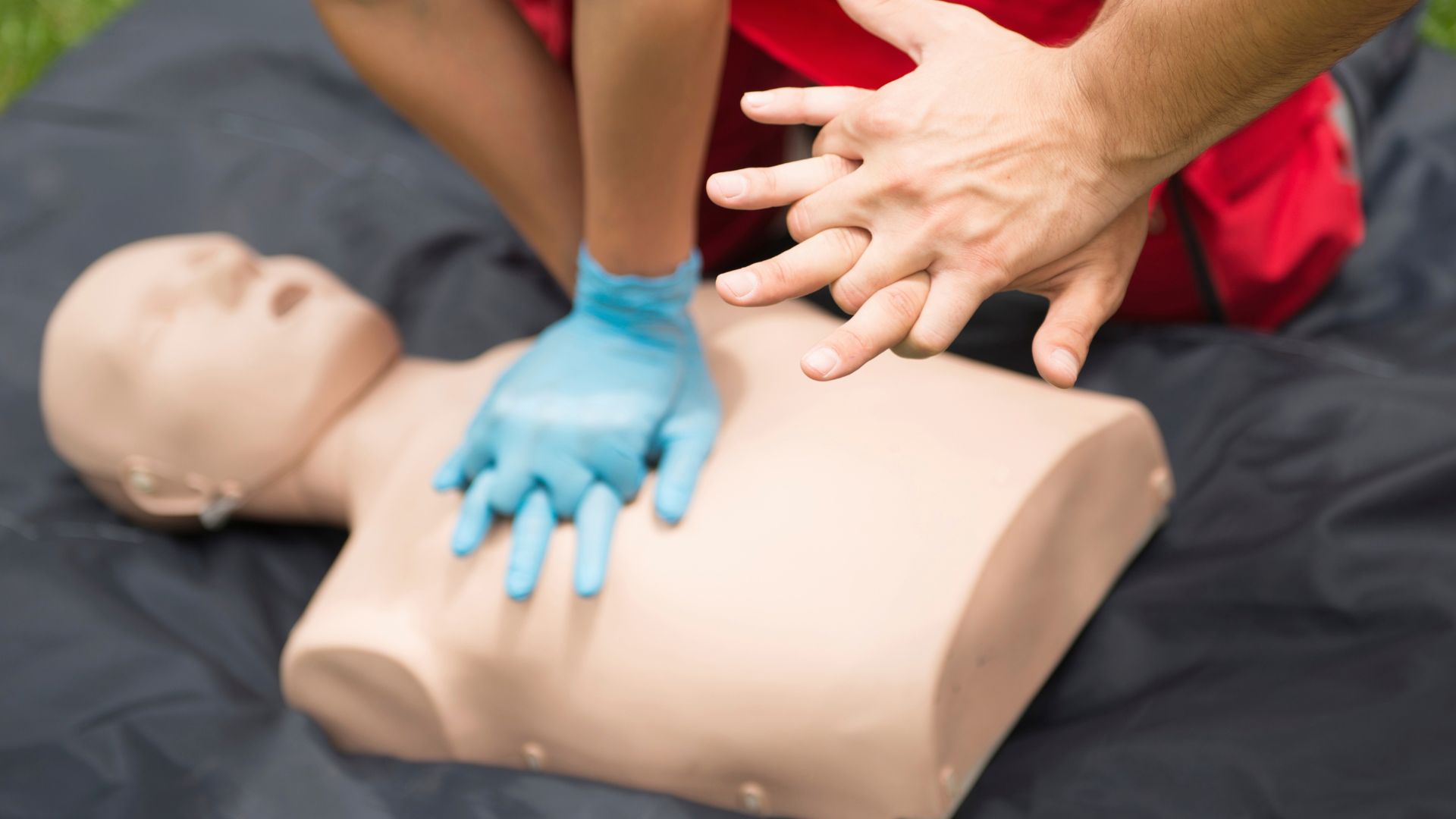
Every second counts when it comes to brain health. In Pittsburgh, the need for quick and informed action in the event of a CPR or stroke emergency is paramount. Whether you’re a healthcare professional, a concerned family member, or a bystander, understanding the critical steps to take can make all the difference in saving a life and preserving brain function.
The bustling city of Pittsburgh, with its vibrant community and advanced medical facilities, is a place where timely intervention can have a profound impact. As we delve into the crucial aspects of CPR and stroke response, we will explore the essential actions, the importance of early recognition, and the resources available in the city to support immediate care. With the right knowledge and preparedness, you can be a vital link in the chain of survival.
Understanding CPR Techniques for Stroke Victims
In the heart of Pittsburgh, where every moment matters, understanding the correct CPR techniques for stroke victims is essential for anyone looking to make a difference in an emergency. Whether you’re part of the healthcare community or an informed citizen, knowing how to respond effectively during these critical moments can enhance the chances of survival and recovery.
CPR, or cardiopulmonary resuscitation, is a vital skill that can help maintain blood flow to the brain during a stroke. While the main goal of CPR is to support heart function, its role in a stroke scenario is slightly different. In these cases, the focus is on ensuring that oxygen continues to reach the brain, minimizing potential damage. Early recognition is pivotal, as highlighted in our introduction, and acting swiftly with the right technique can be lifesaving.
CPR Pittsburgh (ARC) offers comprehensive training programs that emphasize tailored approaches for stroke scenarios, equipping participants with the latest methods and confidence to act decisively. Their courses are designed to align with the latest guidelines, ensuring that you are prepared to respond effectively..
In a city like Pittsburgh, with its advanced medical facilities and community-focused spirit, being equipped with CPR skills tailored for stroke victims reinforces the city’s proactive approach to health emergencies. By understanding these techniques, you become an integral part of the city’s emergency response network, enhancing the likelihood of positive outcomes in critical situations.
Recognizing Stroke Symptoms: Crucial Signs to Act Fast
Recognizing stroke symptoms swiftly is crucial in ensuring a prompt response, which can significantly improve the chances of recovery. Here are five key signs to watch out for:
1. Sudden Numbness or Weakness: One of the most common symptoms is sudden numbness or weakness, particularly on one side of the body. This can affect the face, arm, or leg, and recognizing this early can lead to faster intervention.
2. Confusion or Trouble Speaking: If someone suddenly has difficulty speaking or understanding speech, it could be a sign of a stroke. This aligns with our previous emphasis on early recognition, underscoring the importance of acting without delay.
3. Vision Problems: Experiencing sudden trouble seeing in one or both eyes is another critical symptom. In Pittsburgh, where medical resources are readily available, seeking immediate assistance can prevent further complications.
4. Difficulty Walking: Sudden dizziness, loss of balance, or lack of coordination are warning signs. Being aware of these symptoms can make a significant difference in providing timely CPR, as discussed in our earlier section.
5. Severe Headache: A sudden, severe headache with no known cause can indicate a stroke. It’s vital to recognize this symptom and initiate emergency procedures promptly. For more detailed information on stroke response, the American Stroke Association offers extensive resources.
By familiarizing yourself with these symptoms, you become an essential part of Pittsburgh’s proactive health community, contributing to the chain of survival through informed and decisive action.
Local CPR Training Resources in Pittsburgh
In the vibrant city of Pittsburgh, where quick and informed responses to health emergencies are paramount, knowing where to access reliable CPR training is crucial. CPR Pittsburgh (ARC) stands out as a leading provider of comprehensive CPR training resources tailored to both healthcare professionals and community members. With a focus on equipping individuals with the skills needed to respond effectively to stroke and cardiac emergencies, they ensure that participants are prepared to act decisively when every second counts.
The training programs offered by CPR Pittsburgh are designed to align with the latest guidelines and best practices, ensuring that learners receive up-to-date information and hands-on experience. These programs cover a range of scenarios, including those specific to stroke emergencies, as previously highlighted in our section on understanding CPR techniques for stroke victims. By participating in these courses, you not only gain critical skills but also confidence to recognize symptoms and perform life-saving interventions swiftly.
CPR Pittsburgh leverages Pittsburgh’s advanced medical infrastructure and community spirit, providing accessible training options to ensure that everyone can contribute to the city’s health emergency preparedness. Whether you’re a medical professional seeking recertification or a concerned citizen eager to make a difference, their offerings cater to diverse needs and schedules.
By choosing CPR Pittsburgh for your training needs, you become a vital part of Pittsburgh’s proactive health network, enhancing the city’s ability to respond to emergencies effectively. With each trained individual, the likelihood of positive outcomes in critical situations increases, reflecting the collective commitment to community well-being. By staying informed and prepared, you help fortify Pittsburgh’s chain of survival, ensuring that the city remains a leader in health emergency response.
The Impact of Timely CPR on Stroke Recovery
Timely CPR can significantly impact the recovery outcomes of stroke victims. In Pittsburgh, where advanced medical facilities support rapid emergency response, understanding the benefits of prompt action can make a decisive difference. Here are five ways timely CPR contributes to stroke recovery:
1. Preserving Brain Function: CPR ensures continuous blood flow to the brain, which is crucial during a stroke. As discussed earlier, maintaining oxygen supply minimizes potential brain damage, enhancing the chances of recovery. CPR Pittsburgh offers training courses that emphasize this critical connection.
2. Reducing Long-Term Disability: By acting swiftly, CPR can help prevent extensive damage that might lead to long-term disabilities. Early intervention aligns with our previous emphasis on recognizing stroke symptoms and is a vital component of a comprehensive response strategy.
3. Increasing Survival Rates: The prompt application of CPR increases the likelihood of survival by stabilizing the victim until professional medical help arrives. This proactive approach is a key part of Pittsburgh’s robust emergency network.
4. Facilitating Faster Rehabilitation: With timely CPR, the initial damage is often lessened, allowing for more effective rehabilitation. This can lead to quicker recovery times, enabling individuals to return to their daily lives sooner.
5. Empowering the Community: CPR training empowers individuals to take decisive action during emergencies. By participating in programs offered by CPR Pittsburgh, community members contribute to a culture of preparedness, reinforcing Pittsburgh’s reputation as a city committed to health and safety.
Final Thoughts On CPR Certification In Pittsburgh
In the dynamic city of Pittsburgh, where every moment matters in a health emergency, understanding CPR techniques and recognizing stroke symptoms are crucial steps in saving lives. With advanced medical facilities and a strong community spirit, the city offers an exemplary environment for proactive health measures. As we’ve explored, timely CPR plays a vital role in preserving brain function during a stroke, reducing long-term disabilities, and increasing survival rates. By engaging with local resources such as CPR Pittsburgh, individuals gain the skills and confidence needed to act decisively, reinforcing Pittsburgh’s reputation as a leader in emergency response.
Now is the time to act. Equip yourself with the necessary skills by enrolling in CPR training programs offered by CPR Pittsburgh, renowned for their comprehensive courses tailored to diverse needs. Whether you’re a healthcare professional or a concerned citizen, visit their website to learn more and sign up. Join Pittsburgh’s proactive health network today, and become a vital link in the chain of survival that ensures the well-being of our community. For additional inquiries, contact them directly at (insert phone number). Together, let’s make every second count.
Frequently Asked Questions
What are the signs of a stroke that require immediate CPR intervention in Pittsburgh?
Recognizing stroke symptoms quickly is essential for timely intervention. In Pittsburgh, the key signs include sudden numbness or weakness on one side of the body, particularly affecting the face, arm, or leg. Confusion or trouble speaking and vision problems are also critical indicators. Additionally, look for sudden dizziness or loss of balance and a severe headache with no known cause. While CPR is primarily for cardiac events, ensuring oxygen continues to reach the brain during a stroke can be crucial. For more information, visit the American Stroke Association.
How can CPR help improve outcomes for stroke patients?
CPR plays a vital role in enhancing recovery outcomes for stroke patients by maintaining blood flow to the brain, which is crucial during a stroke. This helps preserve brain function and reduces the risk of long-term disabilities. In Pittsburgh, timely CPR supports the city’s robust emergency response network, increasing survival rates by stabilizing the victim until professional help arrives. Additionally, by lessening initial damage, CPR facilitates faster rehabilitation. Training programs like those offered by CPR Pittsburgh emphasize these benefits, empowering individuals to act swiftly.
When should I call 911 if I suspect someone is having a stroke in Pittsburgh?
In Pittsburgh, you should call 911 immediately if you suspect someone is having a stroke. Quick recognition and response are crucial, as every second counts for brain health. Look for sudden symptoms such as numbness or weakness on one side, confusion, vision problems, difficulty walking, or a severe headache. Promptly calling emergency services ensures rapid medical intervention, which can significantly improve recovery chances. Being informed and prepared to act swiftly aligns with Pittsburgh’s proactive approach to health emergencies.
Why is immediate action crucial for brain health during a stroke?
Immediate action during a stroke is vital for preserving brain health because it minimizes potential brain damage by ensuring continuous oxygen supply. In Pittsburgh, timely intervention can prevent extensive harm that may lead to long-term disabilities. Early recognition and swift response, such as administering CPR if necessary, stabilize the victim until professional medical help arrives. This proactive approach not only increases survival rates but also enhances recovery outcomes, facilitating faster rehabilitation and reinforcing the community’s commitment to health and safety.