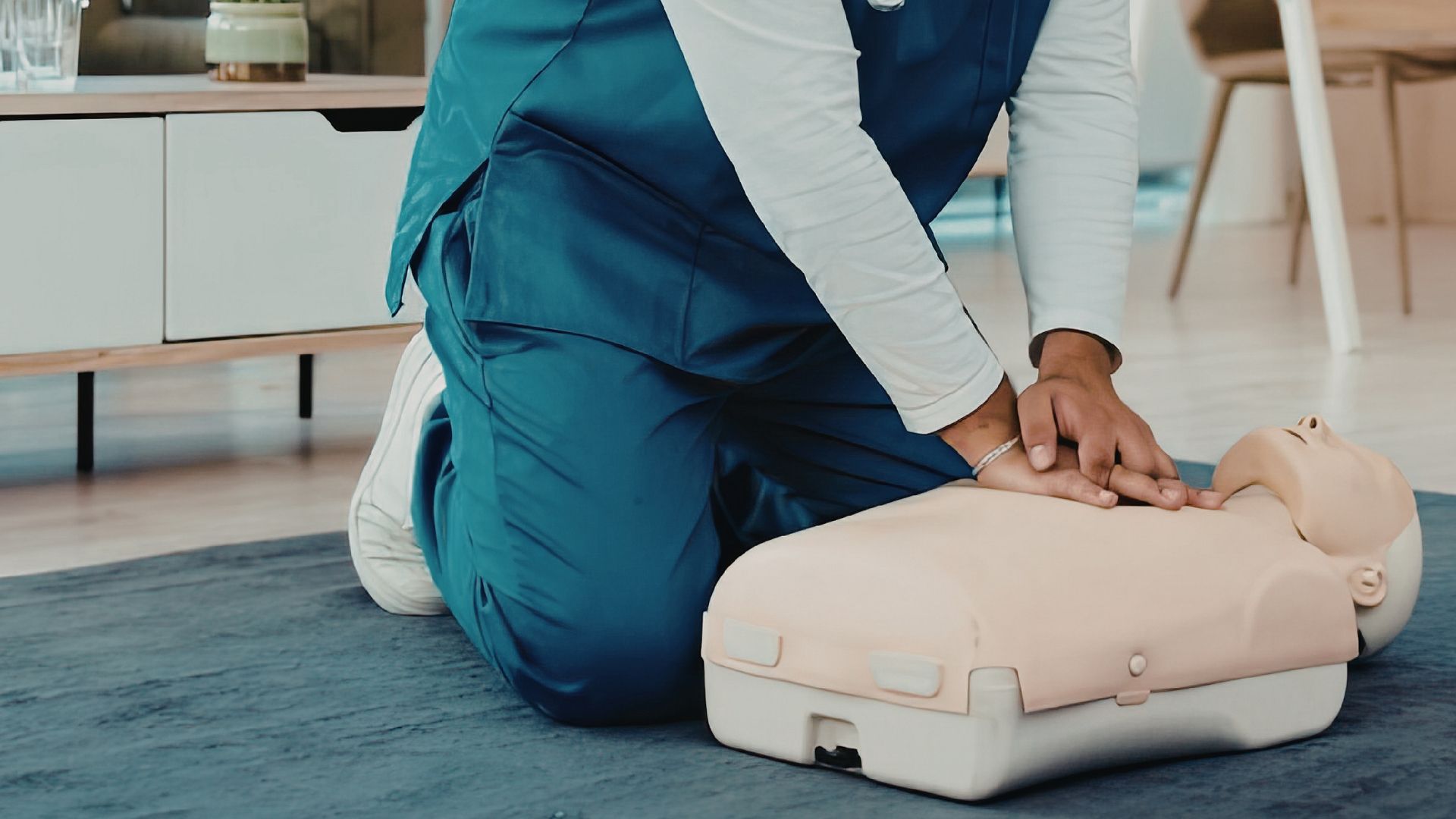
Opioid overdoses remain one of the most urgent public health challenges in Pittsburgh and throughout the state. While awareness has improved, many people still do not know how to properly respond when an overdose happens. Knowing what to look for and how to act can mean the difference between life and death.
If you are ever in a situation where someone stops breathing or becomes unresponsive, your ability to respond immediately matters. That is why completing an in-person CPR Certification course is so important. It prepares you to act quickly, confidently, and correctly during one of the most critical emergencies you may ever encounter.
Why Opioid Overdoses Are a Serious Concern in Pittsburgh
Pennsylvania has been heavily impacted by the opioid crisis over the past decade, with thousands of overdose deaths reported annually. Even with recent improvements, overdose remains a leading cause of death for adults in the United States.
Locally, Allegheny County and the greater Pittsburgh area have seen significant numbers of overdose incidents, highlighting the need for widespread public awareness and training. The encouraging news is that many of these deaths are preventable with fast and effective intervention.
One of the most important takeaways is this: overdoses are survivable if someone nearby knows what to do.
What Happens During an Opioid Overdose
An opioid overdose occurs when drugs like fentanyl, heroin, oxycodone, or morphine overwhelm the body’s ability to function normally. The most dangerous effect is respiratory depression, which means breathing slows down or stops entirely.
When breathing stops, the brain is deprived of oxygen. Within minutes, this can lead to:
- Brain damage
- Cardiac arrest
- Death
This is why immediate action is critical. Waiting for emergency responders without providing assistance can significantly reduce the chances of survival.
Recognizing the Signs of an Opioid Overdose
Knowing how to recognize an overdose is the first step in saving a life. Many people hesitate because they are unsure of what they are seeing.
Common signs include:
- Slow, shallow, or stopped breathing
- Unresponsiveness or inability to wake up
- Blue or purple lips and fingernails
- Limp body or inability to move
- Gurgling or choking sounds
- Slow or irregular heartbeat
Health officials emphasize that recognizing these symptoms early and acting quickly is essential.
If you notice these signs, treat the situation as a medical emergency immediately.
The Role of Naloxone in Overdose Response
Naloxone, often known by brand names like Narcan, is a medication that can reverse the effects of an opioid overdose. It works by restoring normal breathing when it has slowed or stopped.
In Pennsylvania, widespread distribution of naloxone has already helped reverse thousands of overdoses, demonstrating how powerful timely intervention can be.
However, naloxone is not always enough on its own.
Why CPR Is Critical During an Opioid Overdose
Even when naloxone is available, CPR plays a vital role in keeping a person alive until the medication takes effect.
Here is why CPR is so important:
- It maintains blood flow and oxygen to the brain
- It helps prevent brain damage during respiratory failure
- It keeps the person alive until naloxone or emergency services can take over
If someone has stopped breathing, CPR becomes the immediate priority. In fact, supporting breathing is one of the first recommended steps in overdose response.
This is where proper training makes all the difference.
Step-by-Step: How to Respond to an Opioid Overdose
When you encounter a suspected overdose, you need to act quickly and confidently. These steps can help guide your response:
- Call 911 immediately
- Check for responsiveness
- Begin CPR if the person is not breathing
- Administer naloxone if available
- Continue CPR until the person starts breathing or help arrives
- Place the person in the recovery position once breathing resumes
These actions work together to give the person the best possible chance of survival.
Why In-Person CPR Training Matters in Overdose Situations
Reading about CPR is not enough when it comes to real emergencies. In an overdose situation, there is no time to hesitate or second-guess yourself.
In-person training provides:
- Hands-on practice with real techniques
- Muscle memory that helps you act quickly
- Real-time feedback from certified instructors
- Confidence to perform under pressure
Without this training, many people freeze or perform CPR incorrectly, which can reduce its effectiveness.
Choosing an in-person CPR Certification course ensures you are fully prepared to respond in a real-life overdose situation.
The Difference Between Knowing and Doing
There is a major difference between understanding CPR in theory and actually performing it during an emergency.
In-person training bridges that gap by allowing you to:
- Practice chest compressions repeatedly
- Learn the correct depth and rhythm
- Understand how to manage high-stress situations
- Build confidence through repetition
This hands-on experience is what prepares you to take action when every second counts.
Who Should Be CPR Certified in Pittsburgh?
Opioid overdoses can happen anywhere, which means anyone can be in a position to help.
You should strongly consider certification if you are:
- A healthcare worker
- A teacher or school staff member
- A parent or caregiver
- A restaurant, bar, or hospitality worker
- A fitness professional
- A community member who wants to be prepared
In a city like Pittsburgh, where the opioid crisis has had a real impact, widespread CPR training can save lives.
How Quickly Brain Damage Can Occur Without CPR
One of the most critical facts to understand is how quickly the brain begins to suffer without oxygen.
Within minutes of stopped breathing:
- Brain cells begin to die
- Permanent damage can occur
- Survival chances decrease significantly
CPR helps slow this process by keeping oxygen circulating through the body.
This is why immediate action is so important and why waiting passively for emergency responders is not enough.
Common Misconceptions About Overdose Response
There are several myths that prevent people from taking action during an overdose.
Some common misconceptions include:
- “I should wait for naloxone to work before doing anything”
- “Only medical professionals should perform CPR”
- “I might hurt the person if I do CPR wrong”
- “They will wake up on their own”
The reality is that doing nothing is far more dangerous than taking action.
Proper training helps eliminate these fears and gives you the confidence to step in when needed.
The Growing Importance of Community Training
Communities across Pennsylvania are recognizing the importance of widespread overdose response training. Increasing access to naloxone and CPR education has already saved thousands of lives.
For example, studies show that people who receive naloxone during an overdose are significantly more likely to survive.
But survival often depends on what happens in the first few minutes, before naloxone is even administered.
That is where CPR becomes essential.
How In-Person Training Prepares You for Real Emergencies
In-person CPR courses go beyond basic instruction. They simulate real-life situations so you can practice under conditions that feel realistic.
During training, you will:
- Perform CPR on mannequins
- Practice timing and rhythm
- Learn how to assess emergency scenes
- Work through real-world scenarios
This level of preparation is what enables you to act quickly and effectively during an actual overdose.
Choosing the Right CPR Training in Pittsburgh
Not all CPR courses provide the same level of training. It is important to choose a program that prioritizes hands-on experience.
Look for:
- Fully in-person instruction
- Certified and experienced instructors
- Real-life scenario training
- Same-day certification options
- Small class sizes for better learning
Enrolling in a trusted CPR Certification course ensures you are prepared for real emergencies, not just passing a test.
The Role of CPR in Saving Lives Beyond Overdoses
While CPR is critical during opioid overdoses, it is also essential for many other emergencies, including:
- Cardiac arrest
- Drowning incidents
- Choking emergencies
- Trauma-related breathing issues
Learning CPR gives you a skill set that applies across a wide range of life-threatening situations.
Final Thoughts on Opioid Overdose Response and CPR in Pittsburgh
The opioid crisis has deeply impacted Pittsburgh, but there is hope. With the right knowledge and training, everyday people can make a life-saving difference.
Recognizing the signs of an overdose and acting quickly with CPR and naloxone can prevent unnecessary deaths. The most important step you can take is to be prepared before an emergency happens.
By enrolling in an in-person CPR Certification course, you gain the hands-on experience and confidence needed to respond effectively when it matters most. In a critical moment, your actions could be the reason someone survives.
Frequently Asked Questions About Opioid Overdose and CPR
What is the first thing I should do during an opioid overdose?
Call 911 immediately, then check for breathing and begin CPR if the person is not breathing.
Does naloxone replace the need for CPR?
No, naloxone helps reverse the overdose, but CPR is critical for maintaining oxygen flow until it takes effect.
Can anyone perform CPR during an overdose?
Yes, anyone trained in CPR can and should perform it during an emergency.
How long should I continue CPR?
Continue CPR until the person starts breathing or emergency responders take over.
Is in-person CPR certification necessary?
Yes, in-person training provides the hands-on experience needed to respond effectively in real emergencies.
How long does CPR certification last?
CPR certification typically lasts two years before renewal is required.