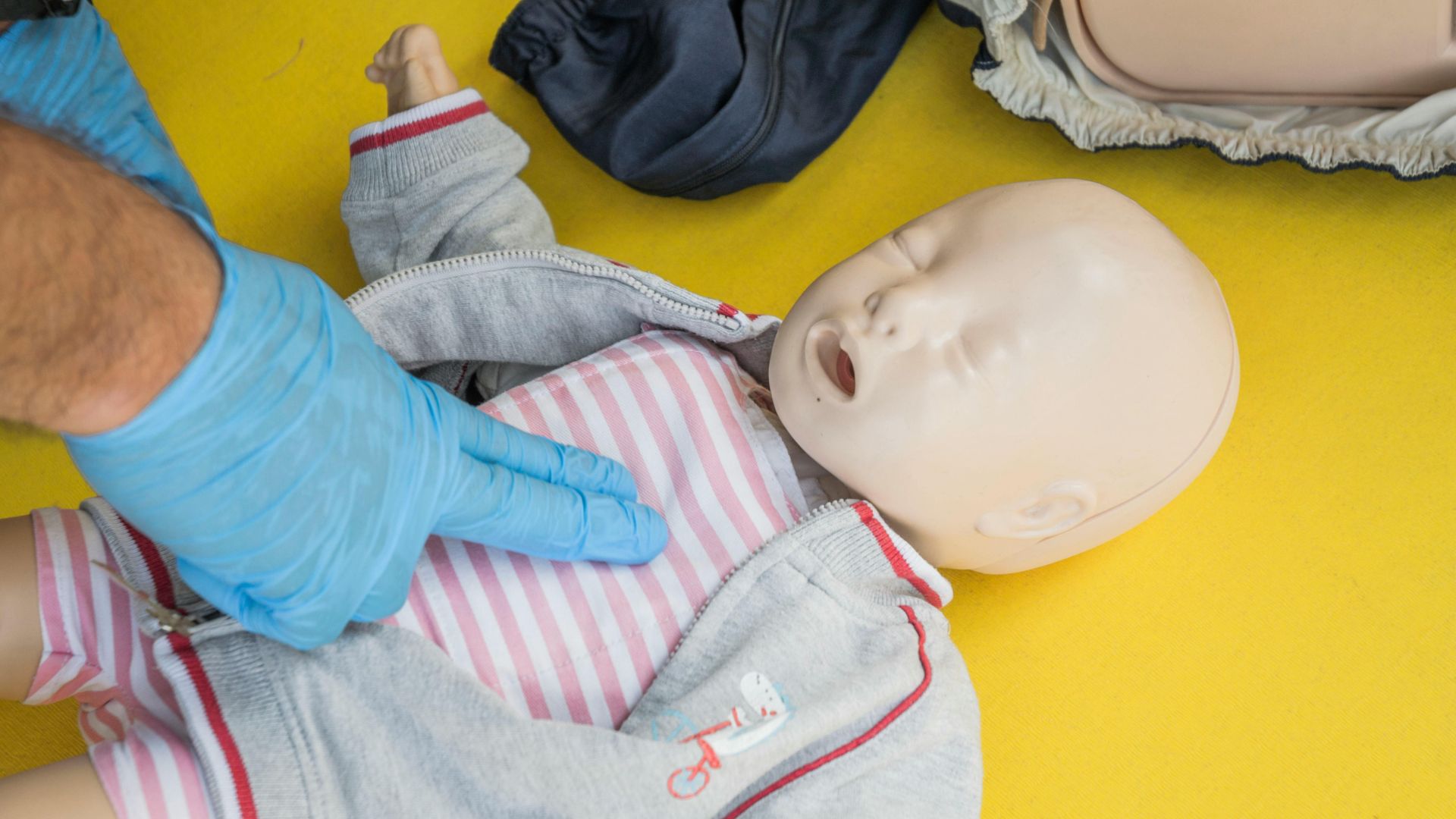
Bringing home a new baby is one of the most exciting moments in a parent’s life. Along with the joy comes a tremendous responsibility to keep that child safe and healthy. While parents spend countless hours baby-proofing their homes, researching car seats, and preparing nurseries, many overlook one of the most important safety measures they can take: learning infant CPR.
Emergencies involving infants can happen unexpectedly, even in the safest homes. Choking incidents, breathing difficulties, drowning accidents, allergic reactions, and sudden medical emergencies can develop within seconds. During those critical moments, parents are often the first people available to help. Through CPR Certification, Pittsburgh parents can gain the skills and confidence needed to respond quickly when every second matters.
Infant CPR training is not about expecting something bad to happen. It is about being prepared to protect your child if an emergency does occur.
Why Infants Face Unique Emergency Risks
Infants are not simply smaller versions of adults. Their bodies function differently, and they face risks that require specialized emergency response techniques.
Some common infant emergencies include:
- Choking on food or objects
- Breathing difficulties
- Allergic reactions
- Near-drowning incidents
- Suffocation
- Respiratory infections
- Falls and injuries
- Cardiac emergencies
Because infants cannot communicate what is wrong, parents must often rely on observation and quick action.
Learning infant CPR helps parents recognize emergencies earlier and respond appropriately while waiting for emergency medical services.
Emergencies Can Happen Anywhere
Many parents assume serious emergencies only happen in hospitals or unusual situations. In reality, most infant emergencies occur in everyday environments.
Common locations include:
- Homes
- Daycare centers
- Family gatherings
- Restaurants
- Swimming pools
- Parks
- Vehicles
- Grandparents’ homes
An infant may choke during feeding, experience breathing difficulties during sleep, or encounter a medical emergency while traveling.
Parents trained through CPR Certification are better prepared to respond regardless of where an emergency occurs.
Choking Is One of the Biggest Risks for Infants
Choking remains one of the most common emergencies involving babies and young children.
Infants may choke on:
- Food
- Small toys
- Coins
- Buttons
- Household objects
- Packaging materials
Because babies naturally explore the world by putting objects in their mouths, choking hazards can appear almost anywhere.
Infant CPR courses teach parents how to:
- Recognize choking signs
- Perform infant back blows
- Deliver chest thrusts
- Assess breathing
- Know when to call 911
Quick action can prevent a choking incident from becoming a life-threatening emergency.
Infant CPR Differs Significantly From Adult CPR
One reason formal training is so important is that infant CPR uses different techniques than adult CPR.
Infants require:
- Different hand placement
- Different compression depth
- Different compression force
- Specialized airway management
- Infant-specific rescue breathing techniques
Attempting to perform adult CPR techniques on an infant could be ineffective or potentially harmful.
Professional training through CPR Certification ensures parents learn the proper methods designed specifically for babies under one year of age.
Every Second Matters During Breathing Emergencies
Infants have smaller airways and can experience oxygen deprivation more quickly than older children or adults.
Breathing emergencies may result from:
- Choking
- Respiratory illness
- Allergic reactions
- Drowning incidents
- Suffocation
- Medical conditions
When oxygen flow is interrupted, brain damage can begin within minutes.
Knowing how to respond immediately with CPR and rescue breathing can significantly improve outcomes while emergency responders are on the way.
Pittsburgh Families Benefit From Emergency Preparedness
Pittsburgh families enjoy a wide range of activities throughout the year, from community events and parks to swimming pools, sports programs, and family gatherings.
However, emergencies can happen during:
- Backyard barbecues
- Holiday celebrations
- Family vacations
- Swimming activities
- Everyday meals
- Playtime
Being prepared allows parents to enjoy these moments with greater peace of mind.
Emergency preparedness does not eliminate risks, but it helps families respond more effectively when challenges arise.
Infant Drowning Can Happen Faster Than Many Parents Realize
Many people associate drowning with lakes, rivers, or swimming pools. However, infants can drown in surprisingly small amounts of water.
Potential risks include:
- Bathtubs
- Kiddie pools
- Buckets
- Decorative water features
- Swimming pools
Drowning incidents often occur quickly and silently.
Infant CPR training teaches parents how to respond if a baby is pulled from the water and is not breathing normally.
Quick intervention can be critical before EMS arrives.
Grandparents and Caregivers Should Learn Infant CPR Too
Parents are not the only people who care for infants.
Other caregivers often include:
- Grandparents
- Babysitters
- Daycare providers
- Aunts and uncles
- Family friends
- Nannies
Anyone responsible for supervising a baby should consider learning infant CPR.
Many Pittsburgh families choose to attend CPR training together so that multiple caregivers understand how to respond during emergencies.
Having several trained adults increases the likelihood that someone knowledgeable will be present if an emergency occurs.
CPR Training Helps Reduce Panic
One of the biggest challenges during emergencies is panic.
Without training, many people:
- Freeze
- Become overwhelmed
- Forget basic safety steps
- Delay calling for help
- Feel helpless
Hands-on CPR training helps parents build confidence and develop a clear action plan.
Knowing what to do can help parents stay calmer and make better decisions during stressful situations.
While emergencies are always emotional, preparation often leads to faster and more effective responses.
Understanding Infant Warning Signs
Many serious emergencies begin with subtle symptoms.
Parents should watch for signs such as:
- Difficulty breathing
- Persistent coughing
- Blue or gray skin coloration
- Unresponsiveness
- Weak crying
- Sudden limpness
- Unusual lethargy
Recognizing these warning signs early can help parents seek medical assistance before conditions become more severe.
Infant CPR courses often include guidance on recognizing medical distress and understanding when emergency intervention may be necessary.
Pittsburgh’s Emergency Responders Cannot Be Everywhere Instantly
Pittsburgh maintains highly trained emergency medical services, but even the fastest responders need time to arrive.
During a medical emergency:
- Seconds matter
- Breathing may stop
- Oxygen levels may drop
- Conditions may worsen rapidly
Parents serve as the first line of response until professional help arrives.
Immediate CPR can help maintain blood circulation and oxygen delivery during those critical early moments.
CPR Training Supports Safe Sleep Awareness
Safe sleep practices are a major focus for new parents.
Although following safe sleep guidelines reduces risks, parents should still know how to respond if an infant experiences a breathing emergency.
CPR training complements safe sleep education by helping parents understand:
- Emergency response procedures
- Rescue breathing
- Unresponsiveness assessment
- When to activate emergency services
Preparedness and prevention work together to improve infant safety.
Infant CPR Knowledge Builds Long-Term Parenting Confidence
Many parents report that CPR training provides benefits beyond emergency response skills.
Training often helps parents:
- Feel more confident
- Reduce anxiety
- Improve emergency preparedness
- Better understand infant safety
- Respond more effectively to minor emergencies
While no parent wants to imagine a medical emergency involving their child, preparation can provide valuable peace of mind.
The confidence gained through training often extends into many areas of parenting and caregiving.
Classes Often Include Additional Safety Skills
Many infant CPR courses cover more than CPR alone.
Parents may also learn:
- Choking response
- Basic First Aid
- Emergency scene assessment
- AED awareness
- Injury prevention
- Emergency communication
These additional skills help create a more comprehensive approach to child safety.
Programs offered through CPR Certification focus on practical, real-world emergency response techniques that parents can use in everyday situations.
Why Hands-On Practice Matters
Watching videos or reading articles about infant CPR can be helpful, but hands-on practice provides a much deeper level of learning.
Practical training allows parents to:
- Practice compressions
- Learn proper hand placement
- Perform rescue breaths
- Work through emergency scenarios
- Receive instructor feedback
Many parents feel significantly more prepared after physically practicing infant CPR techniques rather than simply learning about them theoretically.
Hands-on experience helps build confidence and muscle memory that can be valuable during real emergencies.
Preparing for the Unexpected
No parent can predict when an emergency might happen.
The goal of infant CPR training is not to create fear but to increase preparedness.
Just as families install smoke detectors and use car seats, CPR training represents another important layer of protection.
Prepared parents are better equipped to:
- Recognize emergencies
- Take immediate action
- Communicate with EMS
- Support their child’s safety
These skills can make an enormous difference when every second counts.
Final Thoughts About Infant CPR Training in Pittsburgh
Becoming a parent brings incredible joy, but it also comes with the responsibility of protecting a child during unexpected situations. From choking incidents and breathing emergencies to drowning accidents and sudden medical crises, infants face unique risks that require specialized emergency response skills.
Learning infant CPR through CPR Certification gives Pittsburgh parents the knowledge, confidence, and hands-on experience needed to respond quickly during life-threatening emergencies. While no one wants to imagine needing these skills, being prepared can provide peace of mind and help parents act decisively when every moment matters.
For many Pittsburgh families, infant CPR training is one of the most valuable investments they can make in their child’s safety and well-being.
Frequently Asked Questions About Infant CPR Training
At what age should parents learn infant CPR?
Parents can learn infant CPR before their baby is born or anytime afterward. Many expectant parents take classes during pregnancy to prepare for their child’s arrival.
Is infant CPR different from child CPR?
Yes. Infant CPR uses different techniques, hand placement, compression depth, and rescue breathing methods than child or adult CPR.
What should I do if my baby is choking?
If your baby cannot breathe, cry, or cough, follow infant choking procedures, including back blows and chest thrusts, and call 911 immediately.
Can grandparents benefit from infant CPR training?
Absolutely. Grandparents and other caregivers who spend time with infants should know how to respond during emergencies.
How long does infant CPR certification last?
Most CPR certifications remain valid for two years before renewal is recommended.
Is infant CPR useful even if my baby is healthy?
Yes. Emergencies can happen unexpectedly, regardless of a child’s overall health.
Will CPR training help me feel more confident as a parent?
Many parents report feeling more prepared and less anxious after learning infant CPR and emergency response skills.
Does infant CPR training include choking response techniques?
Yes. Most infant CPR courses include instruction on recognizing and responding to choking emergencies in babies.