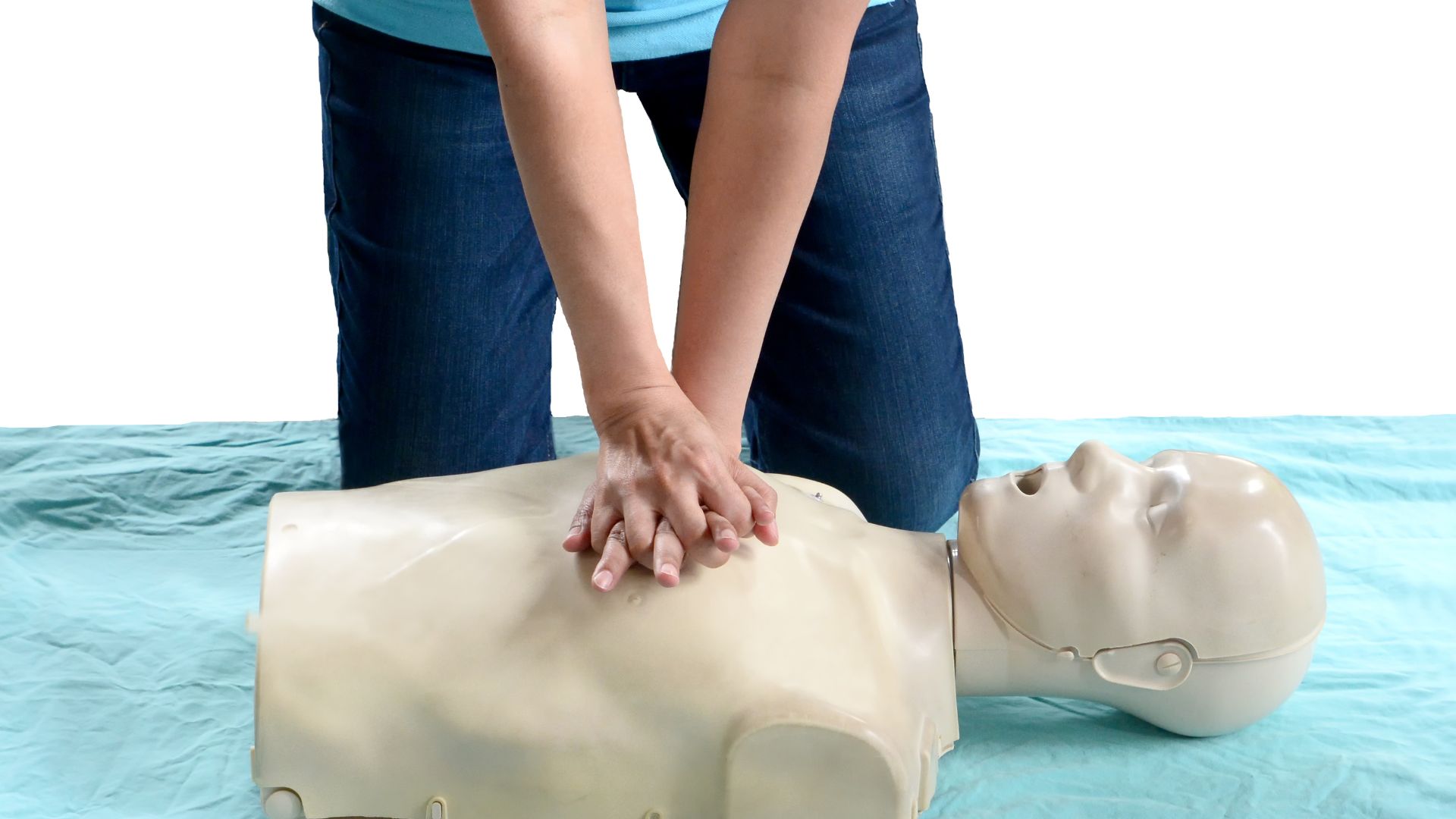
If your CPR card is close to expiring, CPR recertification in Pittsburgh is essential to keep your skills sharp and compliant. Completing your CPR Certification renewal ensures you remain prepared to respond confidently during cardiac emergencies while meeting workplace and licensing requirements. Staying current with recertification strengthens both your technical ability and your readiness to act when seconds matter.
CPR guidelines evolve based on updated research and medical evidence. Recertification courses reinforce proper compression depth, rate, and AED usage while reviewing critical response steps. Whether you work in healthcare, education, fitness, childcare, or simply want to remain prepared, renewing your CPR certification in Pittsburgh helps maintain competence and confidence in lifesaving situations.
Why CPR Recertification Is Important in Pittsburgh
Pittsburgh is a dynamic city with busy workplaces, schools, sports venues, and public spaces. Medical emergencies can occur anywhere, and having trained individuals nearby increases survival outcomes. CPR skills can fade over time without practice, which is why renewal every two years is typically required.
Research shows that compression quality and response speed decline when skills are not refreshed regularly. Recertification reinforces muscle memory and updates participants on any changes in recommended techniques. In high stress situations, confidence plays a major role in effective response. Regular renewal helps reduce hesitation and improve performance.
Many Pittsburgh employers require active CPR certification as a condition of employment. Healthcare facilities, school districts, gyms, construction companies, and childcare centers often verify certification status during audits. Maintaining current credentials protects both employees and organizations.
How Often You Need CPR Recertification
Most CPR certifications are valid for two years from the date of completion. Before your card expires, you must complete a recertification course to maintain active status.
If your certification has recently expired, many providers in Pittsburgh allow you to complete a renewal class within a short grace period. However, if your certification has lapsed for an extended time, you may be required to retake the full certification course rather than a streamlined renewal session.
Tracking your expiration date and scheduling recertification early prevents gaps in compliance and ensures you are always prepared to respond.
What Is Covered in a CPR Recertification Course
CPR recertification courses in Pittsburgh are designed to review and refine core lifesaving skills. While renewal classes are typically shorter than initial certification, they still require hands on demonstration of competency.
Participants review:
- Recognizing cardiac arrest quickly
- Activating emergency response systems
- Performing high quality chest compressions
- Providing rescue breaths when appropriate
- Using an automated external defibrillator correctly
- Responding to choking emergencies
Instructors emphasize correct compression depth and rate, full chest recoil, and minimizing interruptions. Because guidelines may evolve, renewal courses also include updates based on the latest recommendations from nationally recognized health organizations.
Hands on practice ensures that your technique remains accurate and effective.
Who Needs CPR Recertification in Pittsburgh
A wide range of professionals in Pittsburgh must maintain active CPR certification.
Healthcare providers including nurses, medical assistants, EMTs, and dental professionals typically require Basic Life Support renewal.
Teachers, coaches, and school staff often need CPR and AED recertification to meet district safety standards.
Fitness trainers and gym staff must maintain active certification to comply with liability and safety requirements.
Childcare providers and babysitters benefit from recertification to ensure readiness when caring for children.
Workplace safety teams and corporate employees responsible for emergency response should also maintain current credentials.
Even individuals who are not required by an employer may choose recertification to protect family members and community members during emergencies.
Where to Complete CPR Recertification in Pittsburgh
Pittsburgh offers multiple options for CPR recertification.
Hospitals and medical training centers frequently host renewal classes for healthcare professionals and the public. These courses often follow nationally recognized guidelines.
Community training centers provide regularly scheduled renewal sessions with flexible evening and weekend options. These classes are ideal for busy professionals balancing work and family commitments.
Private CPR training organizations specialize in certification and recertification courses. Many offer small class sizes and hands on instruction focused on technique refinement.
Some providers offer blended learning options that combine online review with an in-person skills check. This format allows participants to complete theoretical components at their own pace before demonstrating practical skills in person.
When selecting a provider, confirm accreditation and ensure the certification meets your workplace requirements.
How Long CPR Recertification Takes
Recertification classes are typically shorter than full certification courses. Most renewal sessions in Pittsburgh take between two and four hours depending on the level of training.
Basic Life Support recertification for healthcare providers may require additional time due to more advanced skill assessments and team-based scenarios.
Blended learning renewal courses may require completion of an online module before attending the in-person skills evaluation.
Despite being shorter than initial certification, renewal courses maintain high standards for skill demonstration and knowledge retention.
Cost of CPR Recertification in Pittsburgh
The cost of CPR recertification in Pittsburgh varies based on course type and provider.
General CPR and AED renewal classes are typically moderately priced. Basic Life Support renewal for healthcare professionals may cost more due to expanded curriculum requirements.
Some employers cover the cost of recertification for their employees. If certification is required for your job, check with your human resources department about reimbursement policies.
Group discounts may also be available for organizations renewing multiple employees at once.
Investing in recertification protects both your professional standing and your ability to provide effective emergency care.
Benefits of Staying Current with CPR Skills
Recertification offers more than compliance. It enhances performance and preparedness.
Regular renewal improves:
- Compression accuracy and consistency
- Confidence during high pressure situations
- Familiarity with AED technology
- Speed of response during emergencies
- Coordination in team-based settings
Confidence and skill retention are closely linked. Practicing under instructor supervision reinforces correct technique and reduces hesitation.
CPR skills are perishable. Without repetition, even trained individuals may struggle to recall proper sequence or depth during real emergencies. Renewal keeps these skills fresh and reliable.
How to Prepare for Your CPR Recertification Class
Preparing for your recertification session can make the process smooth and efficient.
Review your previous course materials if available. Familiarize yourself with basic CPR steps and AED operation before class.
Wear comfortable clothing that allows free movement since you will perform hands on compressions.
Arrive on time and be ready to participate actively. Instructors expect students to demonstrate skill proficiency.
Bring your previous certification card if required by the provider.
Being prepared ensures you can focus fully on skill refinement and evaluation.
Final Thoughts on CPR Recertification in Pittsburgh
CPR recertification in Pittsburgh is a critical step in maintaining lifesaving competence and professional compliance. Renewing your CPR Certification reinforces essential skills, updates you on current guidelines, and strengthens your confidence during emergencies. Whether required for your career or pursued for personal preparedness, staying current ensures you are ready to respond effectively when someone’s life is at risk.
By completing regular recertification, you protect your credentials and your community. Emergencies are unpredictable, but preparation through CPR Certification renewal keeps your skills reliable and sharp. Scheduling your recertification before your expiration date allows you to remain compliant and prepared without interruption.
When every second counts, refreshed training can make all the difference.
Frequently Asked Questions
How often do I need CPR recertification in Pittsburgh?
Most CPR certifications are valid for two years. You must complete a recertification course before your expiration date to maintain active status.
Can I renew my CPR certification if it has already expired?
Many providers allow renewal within a short grace period after expiration. If your certification has been expired for an extended time, you may need to retake the full course.
Is CPR recertification shorter than the original course?
Yes. Recertification classes are typically shorter and focus on reviewing and demonstrating core skills rather than teaching all material from the beginning.
Do Pittsburgh employers require proof of active CPR certification?
Many employers in healthcare, education, fitness, and childcare require proof of active certification. Always confirm specific requirements with your employer.