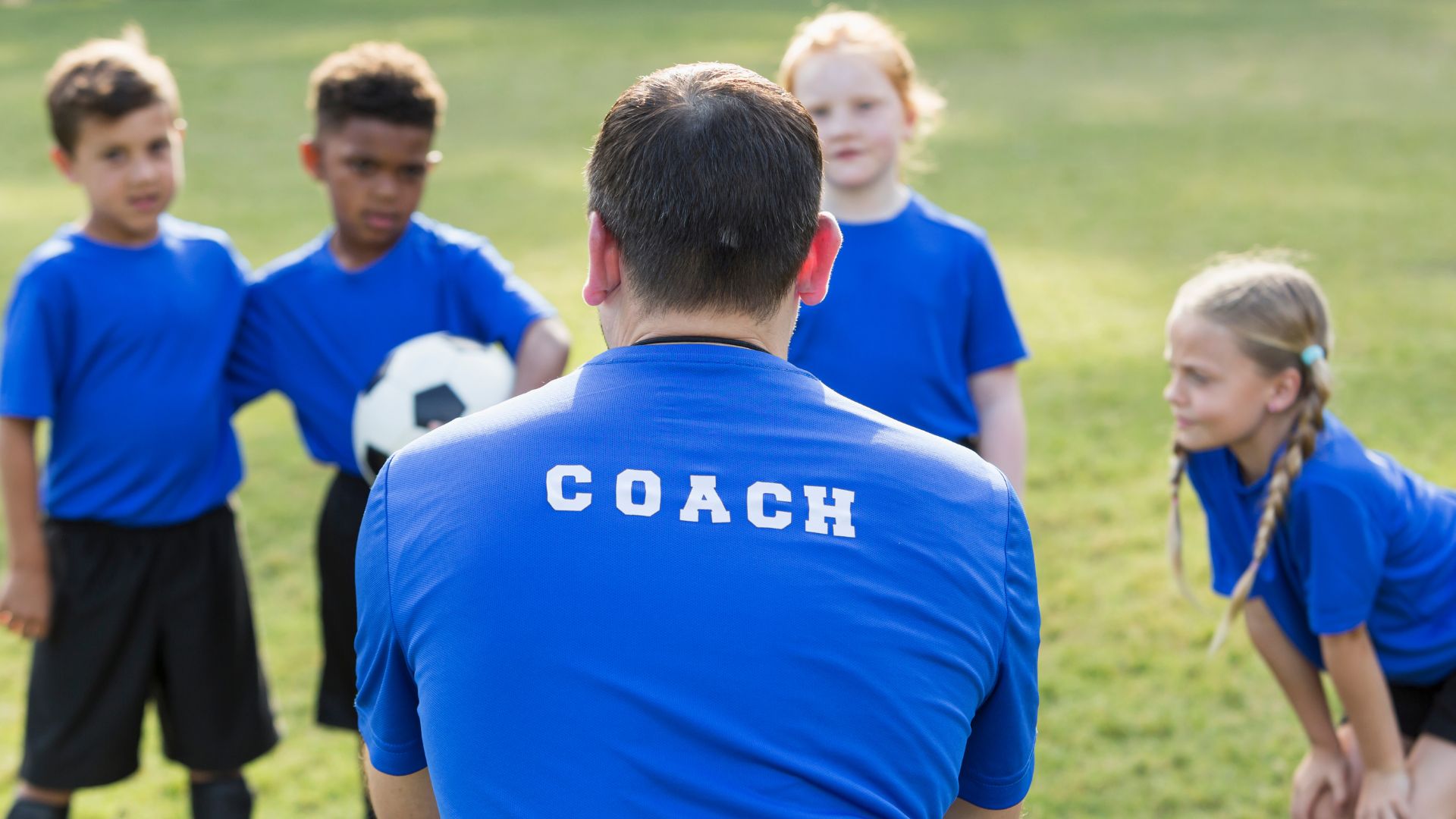
Youth sports provide children with opportunities to build confidence, develop teamwork skills, stay active, and form lasting friendships. Throughout Pittsburgh, thousands of young athletes participate in football, soccer, baseball, basketball, hockey, softball, volleyball, swimming, and other organized activities every year. While sports offer many benefits, they also come with inherent risks that coaches must be prepared to address.
Coaches are often viewed as leaders, mentors, and role models, but they also play an important role in helping create a safe environment for athletes. Injuries, medical emergencies, and unexpected incidents can occur during practices, games, tournaments, and training sessions. When these situations arise, the actions taken during the first few minutes can be critical.
Parents trust coaches to help supervise and guide their children during athletic activities. As a result, many sports organizations encourage coaches to develop emergency preparedness skills that can help them respond effectively when an emergency occurs.
For coaches who work with young athletes, completing a CPR Certification course can provide valuable knowledge and practical skills that support athlete safety both on and off the field.
The Responsibility Coaches Have Beyond the Game
Coaching involves much more than teaching athletic skills and managing practices. Coaches are responsible for supervising players, monitoring safety, and responding appropriately when injuries or emergencies occur.
Athletes often spend several hours each week under the supervision of coaches. During that time, a variety of situations may arise that require immediate attention. While most practices and games occur without incident, coaches should be prepared for the possibility of unexpected emergencies.
Being prepared allows coaches to remain calm under pressure and make informed decisions during stressful situations. This preparation benefits not only athletes but also parents, assistant coaches, and sports organizations.
Medical Emergencies Can Happen in Any Sport
Many people associate sports injuries with sprains, fractures, or collisions, but medical emergencies can occur in virtually any athletic activity.
Young athletes may experience:
- Cardiac emergencies
- Heat-related illnesses
- Severe allergic reactions
- Asthma-related incidents
- Head injuries
- Choking emergencies
- Seizures
- Traumatic injuries
These situations can develop quickly and may require immediate action while emergency medical services are contacted.
Although severe emergencies are relatively uncommon, coaches who understand how to respond can play an important role during those critical first moments.
Pittsburgh’s Active Youth Sports Community
Pittsburgh has a strong sports culture that extends well beyond professional athletics. Youth leagues, school sports programs, travel teams, and recreational organizations provide opportunities for children of all ages to participate in competitive and recreational activities.
Throughout the year, athletes compete in a variety of settings, including:
- School athletic fields
- Community parks
- Recreation centers
- Indoor sports facilities
- Swimming pools
- Ice rinks
- Tournament venues
Because these events often involve large groups of children, coaches are frequently among the first adults available to respond if an emergency occurs.
Why Immediate Response Matters
When an emergency happens during a practice or game, the first few minutes can be extremely important. While coaches should always activate emergency medical services when necessary, professional responders may take several minutes to arrive.
During that time, athletes rely on the adults around them for assistance.
A prepared coach can help:
- Recognize signs of an emergency
- Contact emergency services quickly
- Coordinate assistance from staff and parents
- Follow established emergency procedures
- Provide care while waiting for responders
Having a plan in place before an emergency occurs helps reduce confusion and allows coaches to respond more effectively.
Cardiac Emergencies in Youth Sports
Although cardiac emergencies are often associated with older adults, they can occur in younger individuals as well. Underlying medical conditions, physical exertion, or previously unknown health concerns may contribute to serious medical events.
Because athletic activities place demands on the body, coaches should be aware that medical emergencies can occur even among healthy and active participants.
Many sports facilities now include Automated External Defibrillators, commonly known as AEDs, as part of their emergency preparedness efforts. Coaches who understand emergency response procedures are often better prepared to assist until medical professionals arrive.
Awareness and preparation can help create safer athletic environments for young participants.
Heat-Related Illnesses During Practices and Games
Pittsburgh experiences warm summer weather that can create challenging conditions during preseason practices, tournaments, and outdoor competitions.
Heat-related illnesses can affect athletes of all ages, particularly when activities involve prolonged exertion. Coaches should understand how environmental conditions, hydration, and physical activity interact to influence athlete safety.
Common warning signs may include:
- Excessive fatigue
- Dizziness
- Nausea
- Headaches
- Muscle cramps
- Confusion
Recognizing these symptoms early can help coaches take appropriate action before conditions become more serious.
Head Injuries and Sports Safety
Concussions and other head injuries continue to receive significant attention across youth sports programs. Contact sports are not the only activities where head injuries can occur. Falls, collisions, and accidental impacts may occur in many athletic settings.
Coaches should understand the importance of taking potential head injuries seriously and following organizational guidelines regarding athlete evaluation and return-to-play procedures.
Prompt recognition and appropriate action can help protect the long-term well-being of young athletes.
Emergency Action Plans Are Essential
One of the most effective ways to improve sports safety is by establishing an emergency action plan before the season begins.
An emergency action plan may address:
- Emergency contact procedures
- Access points for first responders
- Locations of first aid supplies
- AED locations
- Staff responsibilities
- Communication protocols
Having a documented plan helps ensure that everyone understands their role during an emergency.
Preparation often makes a significant difference when unexpected situations occur.
Benefits of CPR Training for Coaches
Many coaches pursue CPR training because they want to be better prepared to support their athletes.
Some benefits of CPR training include:
- Increased confidence during emergencies
- Improved emergency awareness
- Better understanding of response priorities
- Enhanced preparedness for practices and games
- Greater ability to support athlete safety
Training also provides opportunities for coaches to practice responding to realistic scenarios in a structured learning environment.
Building Trust with Parents and Athletes
Parents place considerable trust in coaches when they allow their children to participate in sports programs. Knowing that coaches have invested time in safety training can help reinforce confidence in the organization and its leadership.
Athletes also benefit when coaches demonstrate a commitment to preparedness and safety. A culture that prioritizes athlete well-being often contributes to a more positive sports experience for everyone involved.
While no coach hopes to face a serious emergency, being prepared helps create a safer environment for participants.
Creating Safer Sports Programs Throughout Pittsburgh
Sports organizations, schools, and recreational leagues all share a common goal of providing positive experiences for young athletes. Emergency preparedness is an important component of achieving that goal.
When coaches develop emergency response knowledge, they contribute to a broader culture of safety that benefits athletes, families, volunteers, and communities. Prepared coaches are often better equipped to handle unexpected situations and support participants when emergencies occur.
Investing in safety education demonstrates a commitment to protecting athletes and promoting responsible leadership within youth sports programs.
Why CPR Training Is an Important Part of Coaching
Youth coaches influence much more than athletic performance. They help shape safe, supportive environments where young athletes can learn, grow, and compete with confidence. While no one can predict when an emergency may occur, preparation can make a meaningful difference when it does. For coaches throughout Pittsburgh, enrolling in a CPR Certification class is a practical way to strengthen emergency preparedness, build confidence, and support the safety of every athlete who steps onto the field, court, rink, or playing surface.
Frequently Asked Questions About CPR Certification for Youth Sports Coaches
Should youth sports coaches have CPR training?
Many sports organizations encourage or require CPR training because coaches are often responsible for supervising athletes during practices and competitions where emergencies may occur.
Can medical emergencies happen during youth sports?
Yes. While most athletic activities occur safely, medical emergencies such as cardiac events, heat-related illnesses, allergic reactions, and injuries can happen unexpectedly.
Why is emergency preparedness important for coaches?
Prepared coaches are often better equipped to recognize emergencies, contact emergency services, and follow established response procedures while waiting for professional assistance.
Are cardiac emergencies possible in young athletes?
Although uncommon, cardiac emergencies can occur in young athletes. This is one reason many organizations emphasize emergency preparedness and response planning.
What should be included in a sports emergency action plan?
Emergency action plans often address communication procedures, first aid supplies, AED locations, emergency contacts, and responsibilities for coaches and staff.
Who benefits from CPR training in youth sports programs?
Coaches, assistant coaches, team volunteers, athletic staff, parents, and athletes all benefit from a stronger culture of emergency preparedness and safety awareness.